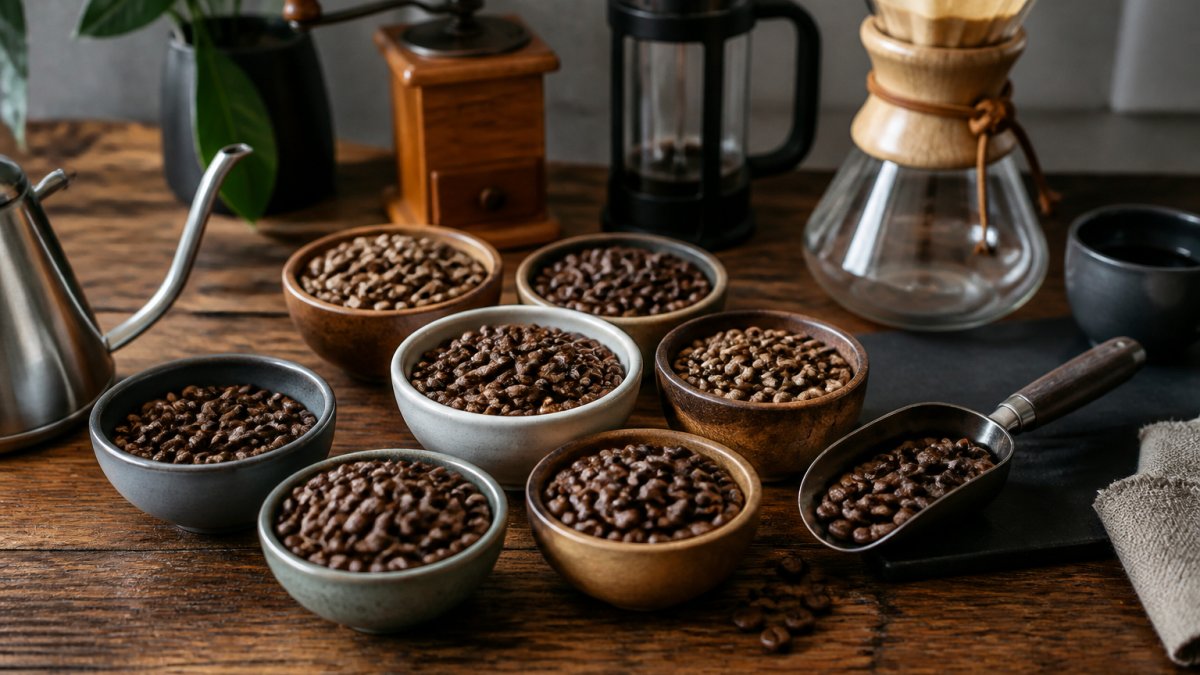
 listicle
Best Coffee Beans for Home Brewing: 2026 Guide
Table of Contents
- What Makes Coffee Beans Best for Home Brewing
- Single Origin vs Blend Coffee: Which Should You Choose
- Best Coffee Beans for Home Brewing by Brew Method
- Best Grind Size for Pour Over Coffee
- How to Store Coffee Beans for Freshness
- Troubleshooting Bitter or Sour Brews
- Frequently Asked Questions
Last Updated: September 28, 2026
What Makes Coffee Beans Best for Home Brewing
The best coffee beans for home brewing are fresh, whole-bean coffees roasted within the last few weeks and matched to your brewing method. Freshness and roast date matter more than brand names or price tags. This guide from The Gilded Cafe' Co. breaks down how to choose beans that deliver exceptional flavor at home.
According to Specialty Coffee Association's freshness research, coffee reaches peak flavor roughly 4 to 14 days after roasting. That window is short. Most supermarket bags sit on shelves for months, which is why so many home brews taste flat no matter what equipment you use.
Freshness and Roast Date
Freshness is the single biggest factor separating memorable coffee from forgettable coffee. A roast date tells you when beans were roasted; a "best by" date tells you almost nothing useful.
Whole Bean vs Pre-Ground
Whole bean coffee is better for home brewing because grinding immediately before brewing preserves volatile oils and aromatics that pre-ground coffee loses quickly.
Single Origin vs Blend Coffee: Which Should You Choose
Single origin coffee comes from one region, while blends combine beans from multiple origins. Neither is objectively better; the right choice depends on what you want from your cup.
| Factor | Single Origin | Blend |
|---|---|---|
| Flavor | Distinct, region-specific | Balanced, consistent |
| Best for | Exploring unique notes | Everyday reliability |
| Brewing | Shines in pour-over | Versatile across methods |
| Price | Varies by origin | Usually steady |
Best Coffee Beans for Home Brewing by Brew Method
Matching beans to your brewing method changes everything. The best coffee beans for home brewing complement how you actually make coffee, because each method applies different pressure, contact time, and water temperature to the same grounds.
| Brew Method | Roast Level | Origin Style | Grind | Typical Ratio |
|---|---|---|---|---|
| Espresso / moka pot | Medium-dark to dark | Blends built for body | Fine | 1:2 (espresso) |
| Drip machine | Medium | Blend or single origin | Medium | 1:16 |
| Pour-over (V60, Chemex) | Light to medium-light | Single origin | Medium-fine to medium | 1:15 to 1:16 |
| French press | Medium to medium-dark | Blend or single origin | Medium-coarse | 1:15 |
| Cold brew | Medium to medium-dark | Blend or single origin | Coarse | 1:8 concentrate |
| AeroPress | Medium | Either | Medium-fine | 1:12 to 1:15 |
Espresso and Moka Pot
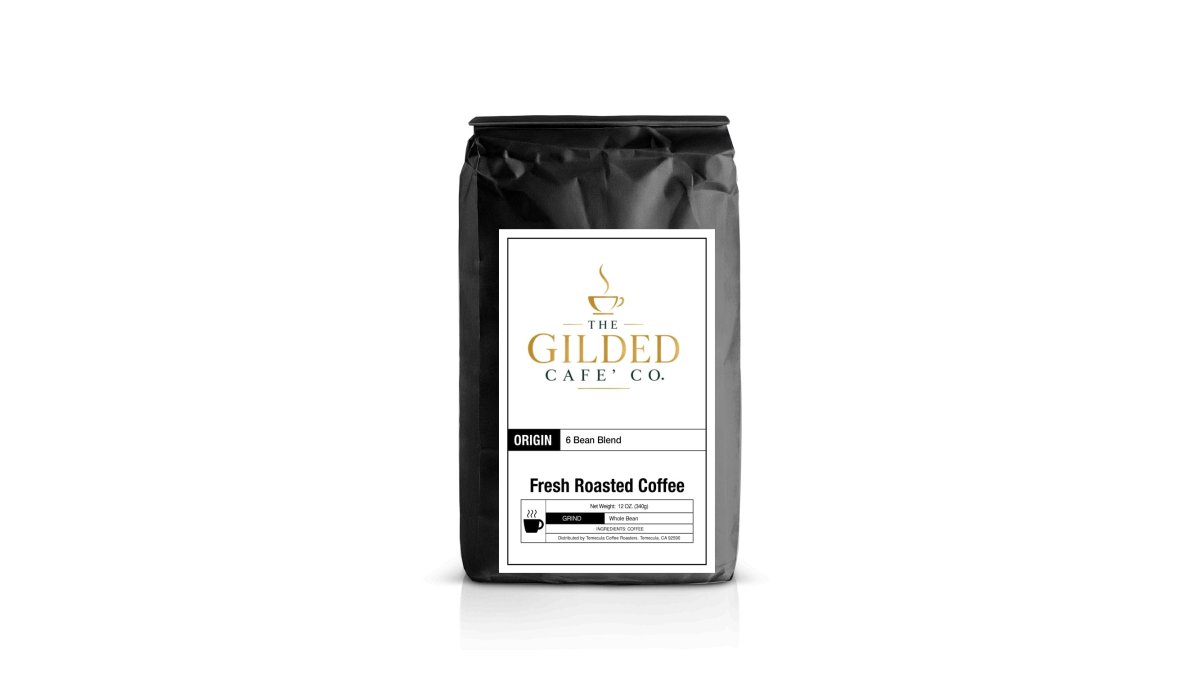
Espresso and moka pots need beans with body and structure. Dark and medium-dark roasts hold up under pressure and produce rich crema. The 6 Bean Blend from The Gilded Cafe' Co. was crafted as a house espresso blend, delivering dark chocolate, caramel, and roasted nut notes with a full body and smooth finish. It also works beautifully in a moka pot or French press.

Drip Machines
Drip machines are forgiving but reward a medium roast with steady, balanced flavor. A medium blend like a Breakfast Blend or House Blend keeps the cup consistent from pot to pot. If your machine runs hot, a slightly darker roast can mask bitterness from over-extraction.
Pour-Over
Pour-over rewards clarity, so lighter and medium-light roasts shine. The Ethiopia Single Origin is a standout, with a medium-light roast bringing caramel, vanilla, floral, and berry notes that pour-over highlights beautifully. A gooseneck kettle and scale matter more here than on any other method, because pour control and dose accuracy shape extraction.
French Press
French press uses a coarse grind and a long, full-immersion steep, pulling out body and oils that paper filters trap. Medium to medium-dark roasts work best, since their sweetness balances the heavier mouthfeel. A blend with chocolate and nut notes is a safe everyday choice; a single origin with fruit notes is a pleasant change of pace.
Cold Brew
Cold brew steeps for 12 to 18 hours, and that long contact time favors smooth, low-acid profiles. A medium roast like the Gourmet Donut Shop Blend works well, since its cocoa and caramel sweetness holds up during long steeping. Very light roasts taste thin after cold extraction; very dark roasts turn bitter.
AeroPress
AeroPress sits between espresso and pour-over in character. A medium roast with a medium-fine grind is a flexible starting point; push darker for an espresso-like shot or lighter for a cleaner cup. Because AeroPress brews are short and hands-on, it's one of the easiest ways to experiment with a new bean before committing to a full bag.
A Note on Value
Most guides rank beans by reputation rather than what you get per dollar. Think in cost per brewed cup, not cost per bag: a pricier 12-ounce bag roasted to order and brewed within two to three weeks beats a cheaper bag that sits half-used. Buying smaller amounts more often, or splitting a bag with a friend, raises quality without raising your monthly spend.
Best Grind Size for Pour Over Coffee
The best grind size for pour over coffee is medium-fine, similar to table salt, so water flows steadily through the grounds without clogging the filter or rushing through too quickly.
A few practical guidelines:
- Medium-fine for standard pour-over cones
- Slightly coarser for Chemex
- Medium for drip machines
- Medium-coarse for French press
Matching Grind to the Bean, Not Just the Method
The same grind setting behaves differently depending on the bean. A light roast is denser and more resistant to water, so it often needs a finer grind or longer brew to extract fully. A dark roast is more porous and soluble, so it can turn bitter at a grind that would leave a light roast tasting sour.
Water Chemistry: The Variable Almost Nobody Covers
Water makes up roughly 98 percent of a brewed cup, yet it's the most overlooked input in home brewing. The minerals dissolved in your water, mainly calcium, magnesium, and bicarbonate, directly affect how well water pulls flavor compounds out of coffee grounds.
- Too soft or distilled water lacks the minerals needed to extract flavor, producing a flat, hollow cup.
- Very hard water is high in bicarbonate, which buffers acidity and can mute brightness and sweetness.
- Heavily chlorinated water adds off-flavors that no grind adjustment can fix.
Troubleshooting by Taste
Once grind and water are dialed in, taste becomes your best diagnostic tool:
| What You Taste | Likely Cause | First Fix |
|---|---|---|
| Sour, thin, tea-like | Under-extraction | Grind finer or raise water temp |
| Bitter, dry, harsh | Over-extraction | Grind coarser or lower water temp |
| Flat, hollow, no sweetness | Water too soft or low minerals | Switch to filtered or mineral-adjusted water |
| Muddy, inconsistent cup | Uneven grind | Upgrade to a burr grinder |
| Metallic or chemical | Chlorinated water | Use a carbon filter |
How to Store Coffee Beans for Freshness
Skip the freezer for daily-use beans. Opening a cold container repeatedly introduces moisture and condensation that speeds up staling. Freeze only beans you won't touch for a month, and thaw them fully before grinding.
Buy in amounts you'll finish within two to four weeks. Smaller, more frequent orders beat one large bag that sits half-used on the shelf.
Troubleshooting Bitter or Sour Brews
Bitter or sour coffee almost always signals a brewing problem, not bad beans. Sourness means under-extraction, bitterness means over-extraction, and both are fixable.
Frequently Asked Questions
What is the best roast level for home brewing?
Medium roasts work well for most home brewing methods because they balance sweetness, acidity, and body. Light roasts highlight floral and fruity notes but need precise brewing to avoid sourness. Dark roasts deliver bold, chocolatey flavor and are forgiving with drip machines and espresso. Match the roast to your method: light roasts for pour-over, medium for drip and French press, and dark for espresso or cold brew.
Does grind size matter when choosing coffee beans for home brewing?
Grind size matters as much as the bean itself. Too coarse and water passes through without extracting enough flavor, leaving a sour cup. Too fine and you get bitterness and a muddy texture. For pour-over, use a medium-fine grind similar to table salt. For French press, go coarse. For espresso, use a fine grind. Buying whole beans and grinding right before brewing gives you the most control over extraction.
What is the difference between single-origin and blended coffee beans?
Single-origin coffee comes from one region, farm, or cooperative, so it reflects a specific place's soil, altitude, and processing method. Blends combine beans from multiple origins to create a consistent, balanced flavor that works across brewing methods. Single-origin suits drinkers who want to explore distinct tasting notes like floral, fruity, or earthy profiles. Blends are better for everyday brewing when you want a reliable cup that tastes the same every time.
How long do coffee beans stay fresh after roasting?
Coffee beans peak in flavor between 4 and 14 days after roasting. After that, oxidation gradually dulls the aroma and taste. Whole beans stay fresh longer than pre-ground because less surface area is exposed to air. Store beans in an airtight container away from heat, light, and moisture. Avoid the refrigerator, which introduces moisture and odors. For the best cup, buy beans with a visible roast date and use them within a month.
Do I need expensive equipment to brew better coffee at home?
No. A basic drip machine, a French press, or a pour-over cone can produce excellent coffee if you use fresh whole beans, the right grind size, and filtered water heated to 195-205°F. The biggest upgrades come from grinding beans right before brewing and measuring your coffee-to-water ratio, roughly 2 tablespoons per 6 ounces of water. Equipment matters less than fresh beans and consistent technique.