 listicle
Best Premium Coffee Subscription Boxes: 2026 Review
Table of Contents
- How We Evaluated Premium Coffee Subscriptions
- Best Overall Premium Coffee Subscription
- Best Single-Origin Coffee Subscription
- Best Premium Coffee Subscription for Espresso Lovers
- How to Choose a Coffee Subscription That Fits Your Routine
- Premium Coffee Subscription Gift Ideas
- Budget-Conscious Long-Term Cost Analysis
- Frequently Asked Questions
Last Updated: September 30, 2026
How We Evaluated Premium Coffee Subscriptions
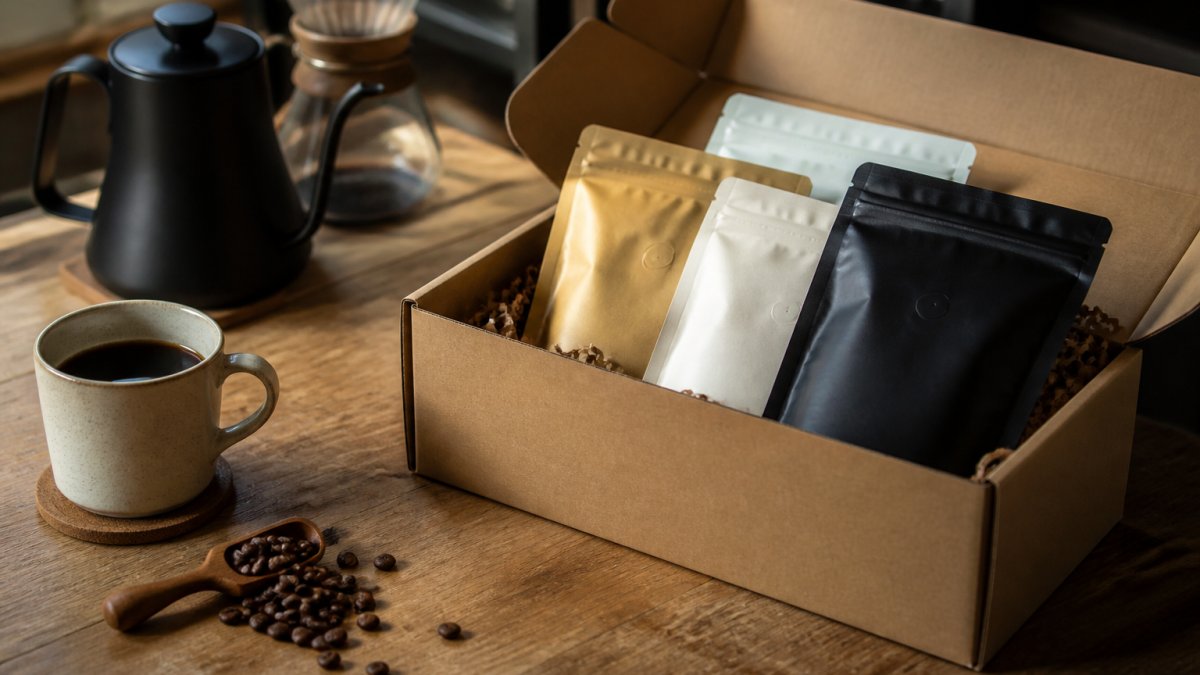
A premium coffee subscription ships freshly roasted specialty beans, often single-origin, on your schedule. This guide from The Gilded Cafe' Co. covers how we judged each option: sourcing transparency, grind flexibility, and cost per cup.
| Evaluation Factor | What We Checked | Why It Matters |
|---|---|---|
| Freshness | Roast-to-ship window | Flavor fades within weeks |
| Sourcing | Origin, altitude, process | Traceability signals quality |
| Flexibility | Grind, frequency, swaps | Fits your actual routine |
| Cost per cup | Price divided by servings | Reveals real value |
| Packaging | Recyclability, bag size | Long-term waste impact |
Best Overall Premium Coffee Subscription
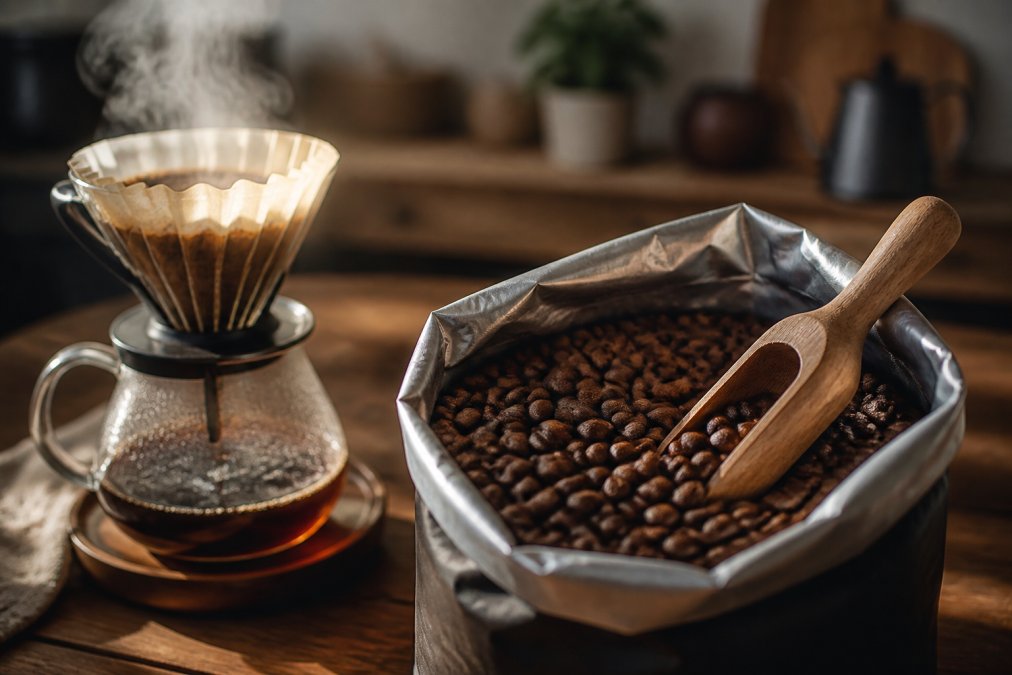
The best overall premium coffee subscription balances freshness, variety, and grind flexibility without a rigid schedule, with a clear roast date on every bag.
What Makes This Subscription Stand Out
Small-batch roasting is the differentiator.
Beyond coffee, the brand offers loose-leaf tea and drinkware.
Best Single-Origin Coffee Subscription
The best single-origin coffee subscription lets you taste one farm or region at a time, so you learn how altitude, processing, and variety change flavor.
Flavor Profiles You Can Expect
Washed processes taste clean and bright; natural processes lean fruitier and heavier.
- Ethiopia (Sidama Zone): milk chocolate, fruity, caramel; full natural process, dried on raised beds
- Colombia (Medellín): dried orange, berry, chocolate; fully washed
- Costa Rica (Alajuela): sweet apple, raisin, honey; eco-pulped
- Peru (Piura): salted caramel, silky sweet, citrus; gully washed
- Tanzania (Mbeya): pear, floral, jasmine, strawberry
- Brazil (Paraná and São Paulo): elegant, smooth, cocoa notes
Best Premium Coffee Subscription for Espresso Lovers
Espresso drinkers need different beans than drip drinkers: enough body and low enough acidity to hold up under nine bars of pressure without channeling. The variables that matter most are roast level, rest time after roast, and batch-to-batch consistency.
Why Rest Time Matters More Than Roast Date Alone
A bag roasted two days ago is not automatically the best espresso. Most practitioners find espresso peaks five to fourteen days off roast, because beans degas carbon dioxide for the first several days. Pull a shot on day two and you often get gushing, uneven extraction, and thin crema; on day ten the same beans taste sweeter and more balanced.
Matching Roast Level to Your Machine
- Medium roasts: the most forgiving starting point. They extract evenly across a wide grind range and tolerate small dose errors, which suits home machines without pressure profiling.
- Medium-dark roasts: easier to get syrupy body and thick crema, but they can turn ashy if your water is too hot. Aim lower on brew temperature.
- Dark roasts: pull fast and can taste bitter or smoky if you push the ratio. Better for milk drinks than for straight shots.
- Light roasts: dense and high-acid, which makes them harder to extract fully on entry-level equipment. They reward a capable grinder and precise temperature control.
Beans to Consider
The Gilded Cafe' Co. Whiskey Barrel Aged Guatemala ($23.99) is our pick for espresso fans who want something unusual. The beans age at least 30 days in authentic whiskey barrels before roasting, picking up oak, caramel, cocoa, and warm spice notes. No whiskey is added and the finished coffee contains no alcohol. Because the barrel aging adds sweetness, it pulls well as a straight shot and holds up in a cortado.

| Coffee | Roast Level | Flavor Notes | Best Brew Method |
|---|---|---|---|
| Whiskey Barrel Aged Guatemala | Medium | Oak, caramel, cocoa, spice | French press, espresso |
| Max Caf Blend | Medium-Dark | Cocoa, toasted nuts, earthy | Espresso, drip, cold brew |
| 6Bean Blend | Dark | House blend, espresso-ready | Espresso |
A Gap Most Guides Skip: Decaf and Low-Acid Espresso
Almost every "best espresso subscription" list ignores two groups: people who want decaf and people who need low-acid coffee for medical or digestive reasons. Both still want a proper shot.
- Decaf: Look for beans decaffeinated using the Swiss Water Process or a certified organic CO2 method rather than solvent-based decaffeination. These methods preserve more origin character, so a decaf Ethiopian still tastes like an Ethiopian. Ask the roaster which method they use before subscribing.
- Low-acid: Beans grown at lower altitudes and roasted darker tend to carry less perceived acidity. Aged or barrel-aged lots, like the whiskey barrel option above, also tend to taste rounder and less sharp. Cold brew concentrate made from the same beans is another route to a lower-acid cup.
Dialing In a New Bag
When a new subscription bag arrives, resist changing every variable at once. Keep dose and yield fixed, adjust grind first, then temperature. Start one notch coarser than your last bag and tighten from there, because fresh beans flow faster than rested ones.
How to Choose a Coffee Subscription That Fits Your Routine
Choosing a coffee subscription comes down to four questions: how much you drink, how you brew, how often you want deliveries, and what you will pay per cup.
Start With Volume, Not With the Bag Size
Start with volume. A two-person household drinking two cups each per day burns roughly two pounds of beans a month; a weekend-only solo drinker needs closer to half a pound.
Best Sellers Sample Pack: 6Bean →
Match the Grind to Your Equipment
Then match the grind to your equipment, the fastest way to ruin a good bag.
- Drip machine: standard drip grind, roughly the texture of table salt
- French press: coarse grind, like coarse sea salt
- Pour-over (V60, Chemex, Kalita): medium-fine grind, like fine sand
- Espresso: fine grind, dialed to your specific machine
- Moka pot: fine grind, slightly coarser than espresso
- AeroPress: medium-fine, adjustable across a wide range
- Cold brew: coarse grind, similar to French press
- Percolator: coarse grind
An Equipment-First Pairing Framework
Most "best subscription" guides rank roasters and never ask how you brew. That is backwards: brewing method should be your first filter, because it determines which roast levels and origins taste good in your kitchen.
- Pour-over and drip: Light and medium roasts shine here. High-grown, washed single-origins from East Africa and Central America show their acidity and clarity best. If you love bright, tea-like cups, filter your subscription search to light-roast single-origins.
- French press: The metal mesh filter lets oils and fine particles through, so you get a heavier body. Medium and medium-dark roasts with chocolate and nut notes work best. Very light roasts can taste thin and underdeveloped.
- Moka pot: The stovetop brewer sits between drip and espresso in pressure. Medium roasts with balanced sweetness are the safest pick. Grind fine, but not as fine as espresso, or the pot will clog.
- Espresso: See the espresso section above. Medium roasts are the most forgiving starting point, and rest time after roast matters as much as origin.
- Cold brew: Coarse grind and medium-dark roasts. Chocolate, caramel, and nut-forward beans concentrate well and stay smooth over ice. Bright, fruity light roasts can taste sour when cold-brewed.
- AeroPress: The most flexible brewer on this list. Almost any roast works, which makes it a good tool for sampling a subscription's rotating lineup before committing to a full bag.
Shipping Frequency and Customization Options
Shipping frequency should match your consumption rate, not a fixed calendar. Most providers let you set delivery every one, two, or four weeks and pause or skip when you fall behind.
- Skip or pause: essential if you travel or drink less in summer.
- Swap or choose: lets you steer the next shipment toward a roast you liked.
- Change grind mid-subscription: useful if you buy a new brewer.
Whole Bean vs. Pre-Ground: What to Pick
Whole bean wins on freshness: grinding exposes surface area to oxygen, and flavor degrades within days once the bean is broken.
The Cost-Per-Cup Math Most Guides Skip
Premium coffee subscriptions cost more per bag than grocery-store coffee, but the gap narrows when you compare cost per cup rather than cost per pound.
| Option | Price | Approx. Servings | Best For |
|---|---|---|---|
| 12 Pack Capsules | $19.99 | 12 cups | Testing before bulk |
| 60 Pack Capsules | $59.99 | 60 cups | Daily single-serve drinkers |
| Instant Coffee | $22.99 | ~30 cups | Fast, no equipment |
| Sample Pack | $24.99 | 24-36 cups | Discovering favorites |
Premium Coffee Subscription Gift Ideas
A coffee subscription makes a strong gift because it arrives repeatedly, not once. The best options let the recipient sample before committing to a full bag.
Budget-Conscious Long-Term Cost Analysis
A 2-ounce sample pack brews roughly four to six cups, and a full 12-ounce bag about 24 to 30 cups at standard ratios. Divide the bag price by the cup count for your real per-cup cost.
| Option | Price | Approx. Servings | Best For |
|---|---|---|---|
| 12 Pack Capsules | $19.99 | 12 cups | Testing before bulk |
| 60 Pack Capsules | $59.99 | 60 cups | Daily single-serve drinkers |
| Instant Coffee | $22.99 | ~30 cups | Fast, no equipment |
| Sample Pack | $24.99 | 24-36 cups | Discovering favorites |
Frequently Asked Questions
Are premium coffee subscription boxes worth the cost?
Premium coffee subscriptions deliver freshly roasted, small-batch beans directly to your door. The cost covers sourcing from renowned growing regions, roasting within days of shipping, and often includes tasting notes and brewing guidance. If you drink coffee daily and value freshness, flavor complexity, and convenience, the per-cup cost often rivals mid-tier grocery store bags while offering a noticeably better cup.

What should I look for in a premium coffee subscription?
Focus on roast date transparency, origin details, and grind options. A good premium coffee subscription lists the processing method and altitude for each lot. Check whether you can choose whole bean or pre-ground, select your shipping frequency, and pause or cancel without penalties. Sample packs are a smart way to test roast profiles before committing to a full-size subscription.
How do roaster-curated coffee subscriptions differ from multi-roaster services?
A roaster-curated subscription ships beans roasted in-house, so you get consistency and direct control over quality. Multi-roaster services source from various roasters, which adds variety but can mean less consistent freshness. For single-origin coffee subscription fans who want to track how a specific farm's crop changes seasonally, a roaster-curated model usually provides more detailed origin information and a tighter roast-to-door timeline.
What are the best coffee subscription gift ideas for someone who loves specialty coffee?
A sample pack from a small-batch roaster makes an excellent gift because it lets the recipient try multiple origins and roast levels without a long commitment. Pair it with a pour-over dripper or a French press for a complete brewing setup. Gift subscriptions with flexible delivery schedules also work well, especially if you can include a handwritten note about the flavor profiles included.
How often should I receive a coffee subscription delivery to ensure freshness?
Most premium subscriptions ship every one to four weeks. For peak freshness, match delivery frequency to your consumption rate. A typical home brewer using 20 grams per cup and drinking two cups daily goes through about 1.2 kilograms (roughly 2.6 pounds) per month. Ordering every two weeks keeps your beans within the ideal two-to-four-week post-roast window without stockpiling.
Premium coffee subscriptions reward consistency, but only if you match the delivery schedule and grind to how you actually brew. The Gilded Cafe' Co. makes that easy with small-batch roasting, whole bean and pre-ground options, and sample packs that let you explore before committing. If you want fresher coffee without the guesswork, get started with The Gilded Cafe' Co. and build a subscription around your routine.