 listicle
Luxury Drinkware for Coffee Lovers: 2026 Guide
Table of Contents
- What Actually Makes Drinkware Luxurious
- Luxury Drinkware for Coffee Lovers: Quick Comparison
- How to Choose the Right Coffee Mug Material
- The Best Coffee Mugs for Home Brewing
- Where Double-Walled Glass Espresso Cups Fit In
- How Material and Rim Shape Change What You Taste
- Pairing Drinkware With Roast and Origin
- Frequently Asked Questions
Last Updated: September 24, 2026
What Actually Makes Drinkware Luxurious
Luxury drinkware for coffee lovers comes down to three measurable qualities: heat retention, how the rim interacts with your lips, and how the vessel feels over hundreds of uses. Price tags and logos matter far less than most buyers assume.
Luxury Drinkware for Coffee Lovers: Quick Comparison
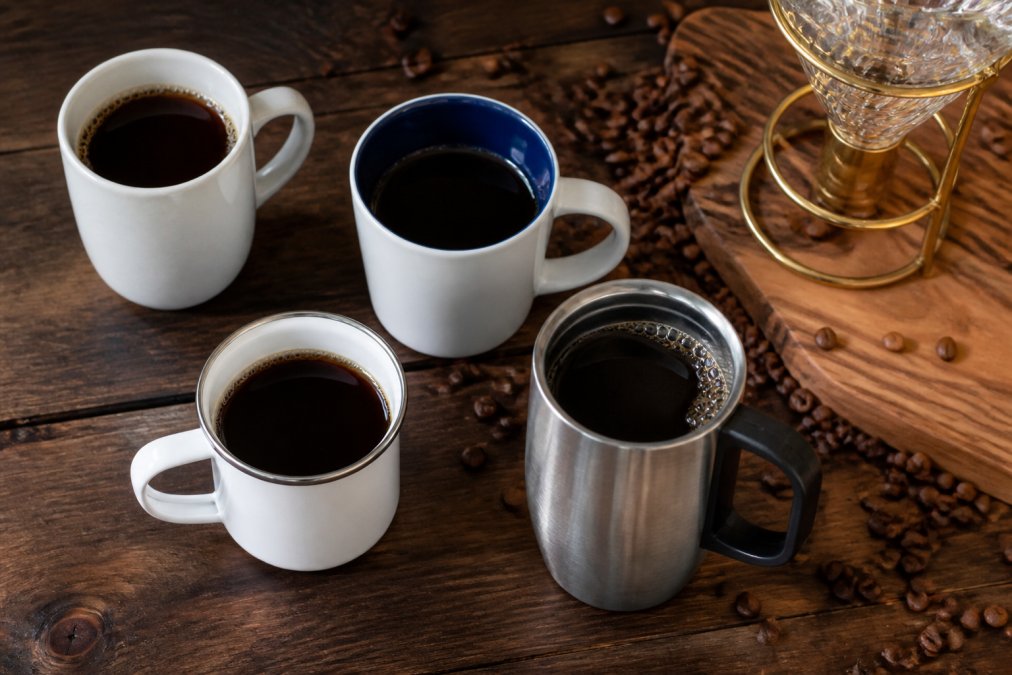
Four vessels cover nearly every home brewing scenario, each solving a different problem. The right choice depends on where and how you drink.
| Product | Material | Capacity | Price | Best For |
|---|---|---|---|---|
| White Glossy Ceramic Mug | Ceramic | 11 oz | $12.00 | Everyday coffee and tea |
| Color Accent Ceramic Mug | Ceramic | 11 oz | $16.00 | Gifting and desk styling |
| Enamel Camp Mug | Enamel | 12 oz | $25.00 | Camping and outdoor brewing |
| Travel Mug with Handle | Stainless steel | 25 oz | $44.50 | Commuting and long workdays |
How to Choose the Right Coffee Mug Material
Choosing the right coffee mug material comes down to one question: where will you drink from it? Material determines heat conductivity, weight, durability, dishwasher survival, and how the coffee tastes, which most buying guides skip.

Ceramic, Enamel, and Stainless Steel Compared
- Ceramic: Best thermal stability for slow sipping, dishwasher safe, microwave safe, widest range of glaze finishes. Heavier than enamel, and can chip if dropped on a hard floor.
- Enamel: Lightweight, chip-resistant exterior, ideal for travel and camping, hand wash only. The fused-glass coating is non-porous, but a chipped edge exposes the steel underneath, which can rust.
- Stainless steel: Superior insulation, spill-resistant lids, best for commuting, not microwavable. Vacuum-sealed bodies keep drinks hot for hours, but the metal rim and interior can introduce a faint metallic note with highly acidic light roasts.
One detail worth noting: enamel and stainless steel conduct heat to the rim faster than ceramic. Sip slowly and ceramic keeps coffee comfortable longer without burning your lip; sip fast and want it hot through a commute, stainless steel wins.
The Sensory Angle Most Guides Miss
Rim thickness and material change perceived flavor more than most drinkers realize. A thin rim directs liquid to the front of the tongue and lets volatile aromatics escape upward, which is why delicate porcelain makes a bright Ethiopian natural taste more floral. A thick rim spreads flow across a wider area, softening acidity and emphasizing body, the reason a heavy diner mug makes dark roast taste rounder and sweeter.
A Note on Care and Longevity
Dishwasher detergents are alkaline and abrasive. Over hundreds of cycles they dull glossy glaze, etch metallic trim, and leave cloudy film on glass. Hand washing with warm water and a soft sponge extends the life of any luxury vessel and is the only safe option for enamel and double-walled glass. If you do use a dishwasher, skip the heated dry cycle, residual heat causes most glaze crazing.
The Best Coffee Mugs for Home Brewing
The best coffee mugs for home brewing are ceramic, 10 to 12 ounces, with a rim thin enough to let aroma reach your nose before the first sip. That covers drip, pour over, French press, and espresso drinks.
Matching the Mug to Your Brew Method
- Pour over: 10-12 oz ceramic, thin rim, wide opening for aroma
- French press: 11-12 oz ceramic or enamel, thicker body to hold sediment-free heat
- Espresso: 2-3 oz demitasse, pre-warmed, thick walls
- Cold brew: Tall glass or stainless steel, no thermal requirement
- Commute: Stainless steel with a lid, 16 oz or larger
Where Double-Walled Glass Espresso Cups Fit In
Double-walled glass espresso cups belong in any serious home setup: they let you watch extraction while keeping the drink warm, and the vacuum layer between the glass walls slows heat loss while keeping the outer surface cool.
The Gilded Café White Glossy Ceramic Mug →
How Material and Rim Shape Change What You Taste
If you're tasting a new single origin for the first time, use the thinnest-rimmed ceramic cup you own. Save the travel mug for mornings when convenience beats nuance.
Pairing Drinkware With Roast and Origin
Pairing drinkware with roast and origin is the fastest way to sharpen your tasting notes. The vessel should support the coffee's dominant character, not fight it. Most guides stop at "thin rim for bright, thick rim for rich." That rule is correct but incomplete. The fuller version maps vessel shape, wall thickness, and material to the specific compounds each roast and origin puts forward.
Why the Pairing Works
Coffee flavor comes from three compound families: acids (brightness, fruit, floral), sugars and Maillard products (caramel, chocolate, nuts), and volatile aromatics (the smells before the first sip). Acids are perceived most sharply at the front of the tongue and muted by wide, thick rims. Aromatics rise, so a narrow opening concentrates them and a wide opening releases them. Body is tactile, and a heavier vessel with a thicker wall reinforces perceived weight in the mouth.
Pairing by Roast Level
- Light roasts (City to City+): Higher acidity, more floral and fruit-forward aromatics, lighter body. Use a thin-rimmed porcelain or double-walled glass cup with a moderately wide opening. The thin rim keeps acids sharp and the wide opening lets aromatics bloom. Heavy stoneware mutes them.
- Medium roasts (Full City): Balanced acidity and sweetness, caramel and nut notes, medium body. A standard 10 to 12 ounce ceramic mug with a medium rim is the most forgiving pairing. It supports body without smothering brightness.
- Medium-dark to dark roasts (Vienna, French): Low acidity, heavy body, chocolate and smoke notes. Use a thick-walled ceramic or stoneware mug with a narrower opening. The thick rim softens any remaining acidity and the narrow opening concentrates the deep, roasty aromatics.
- Espresso roasts: Intense, syrupy, and aromatic. A 2 to 3 ounce pre-warmed demitasse with thick walls holds heat against the small volume and concentrates the crema's aromatics. Double-walled glass works if you want to watch the extraction.
Pairing by Origin
- East Africa (Ethiopia, Kenya): Bright, floral, tea-like, sometimes berry-forward. Thin-rimmed porcelain or double-walled glass. The goal is to let acidity and aromatics land cleanly.
- Central America (Guatemala, Costa Rica, Honduras): Balanced, cocoa and caramel, medium body. A standard ceramic mug gives that medium-full body room to breathe without losing warmth. Our Whiskey Barrel Aged-Guatemala is a good example, the oak and caramel notes sit comfortably in an 11-ounce ceramic mug.
- South America (Colombia, Brazil): Nutty, sweet, mild acidity. A medium-rim ceramic mug is the safe default. Brazil's heavier, lower-acid profile also works well in a slightly thicker-walled cup.
- Indonesia and Pacific (Sumatra, Sulawesi): Earthy, low-acid, heavy body. Thick-walled stoneware. The vessel reinforces the weight the coffee already has.
- Flavored and dessert-style coffees: Rich, velvety, often sweet. A heavier mug keeps them at drinking temperature through a slow morning. Our Dubai Chocolate Flavored Coffee and Mexican Chocolate Flavored Coffee both lean rich, and a thick-walled ceramic mug is the right call.
A Simple Tasting Protocol
For travel days, the The Gilded Café Travel Mug with Handle holds 25 ounces with a double-wall insulated stainless steel body and a spill-resistant press-in lid. It's hand wash only but fits most standard vehicle cup holders. Just know the metal rim and sealed lid mute aromatics, it's a convenience vessel, not a tasting vessel.


Frequently Asked Questions
What makes a coffee mug considered luxury?
Luxury comes down to materials, construction, and how the cup performs in your hand. A luxury mug uses premium ceramic, enamel, or double-wall stainless steel, holds heat without scalding your palm, and has a handle shaped for a full grip. Small details matter too: a smooth glaze finish, a rim thin enough to drink from comfortably, and a weight that feels balanced when full. Price alone does not define it. A $12 ceramic mug with a well-formed handle and even glaze can outperform a $60 cup that chips or cools too fast.
Does the material of a coffee mug affect the taste?
It affects how you perceive taste more than it chemically changes the coffee. Ceramic and porcelain are non-reactive, so they add nothing to the flavor and let the coffee's natural tasting notes come through. Stainless steel is also non-reactive but transfers heat quickly, which can make a light roast taste flatter as it cools. Rim thickness changes mouthfeel: a thin rim delivers coffee across your tongue faster and can make acidity feel sharper, while a thicker rim slows the flow and softens the impression. Choose ceramic for the cleanest read on flavor.
Are double-walled glass espresso cups better for coffee?
For espresso, yes, with one caveat. Double-walled glass espresso cups use two layers of borosilicate glass with an air gap between them, which slows heat loss and keeps the outside cool enough to hold without a handle. Because glass is non-reactive, it does not alter the espresso's flavor, and the clear wall lets you see crema color and body. The caveat is size: a true espresso cup holds 2 to 3 ounces, so a double-walled glass meant for a 6-ounce cappuccino will cool the shot faster than a smaller vessel.
How do I choose the right size mug for specialty coffee?
Match capacity to the drink, not to habit. Espresso and ristretto belong in a 2 to 3 ounce cup, cappuccino in 5 to 6 ounces, and a standard drip or pour-over coffee in 8 to 12 ounces. A mug that is too large leaves a wide surface area exposed to air, so the coffee cools quickly and the aroma concentration drops. An 11 ounce ceramic mug, like The Gilded Café White Glossy Ceramic Mug, suits most home brewing setups. If you drink from a 25 ounce travel mug, save it for commutes rather than tasting.
Is luxury drinkware worth the price compared to basic mugs?
It depends on what you are paying for. A $12 ceramic mug and a $44.50 insulated travel mug solve different problems: one is for sitting and tasting, the other for carrying coffee without spills. What justifies the higher price is construction that survives daily use, like chip-resistant glaze, double-wall insulation that holds temperature, and handles that stay comfortable when the cup is full. If you brew specialty beans and want to taste what you paid for, a well-made ceramic or glass cup earns its cost. If you just need a vessel for the commute, an insulated mug is the practical pick.