 ultimate-guide
Single Origin Coffee Flavor Profiles Explained
Table of Contents
- What Makes Single Origin Coffee Flavor Profiles Distinctive
- How Geography and Terroir Shape Coffee Flavor
- Coffee Processing Methods and Flavor Development
- Understanding the Coffee Flavor Wheel Explained
- How to Taste Coffee Notes Like a Professional
- Roast Level's Impact on Single Origin Flavor Expression
- Comparing Single Origin Coffees by Region and Character
- Frequently Asked Questions
Last Updated: September 26, 2026
What Makes Single Origin Coffee Flavor Profiles Distinctive
Single origin coffee flavor profiles explained begins with understanding what sets these coffees apart from blends. A single origin coffee comes from one specific geographic location, whether that's an individual farm, a microregion, or an entire country. This geographic specificity creates flavor characteristics that reflect the terroir, the combination of altitude, soil composition, climate, and local farming practices that define a particular growing region.

The flavor complexity you experience in a cup of single origin coffee is a direct result of these environmental factors. Unlike blended coffees that combine beans from multiple origins to achieve consistency, single origin coffees showcase the unique personality of their source. At The Gilded Cafe' Co., we focus on sourcing single origin beans that highlight these distinctive characteristics, allowing you to taste the story of where your coffee grew.
What makes this approach valuable is the transparency it offers. When you know your coffee comes from Ethiopia's Sidama region or Colombia's Tolima highlands, you're not just buying a product, you're connecting with a specific place and its coffee-growing tradition. The sensory experience becomes an exploration of how geography shapes flavor.
How Geography and Terroir Shape Coffee Flavor
Geography determines nearly everything about how coffee tastes long before it reaches your cup. Terroir encompasses altitude, soil mineral content, rainfall patterns, temperature fluctuations, and seasonal weather, all elements that influence how coffee cherries develop and mature. High-altitude growing regions produce beans with brighter acidity and more complex flavor compounds because the cherries mature slowly in cooler temperatures.
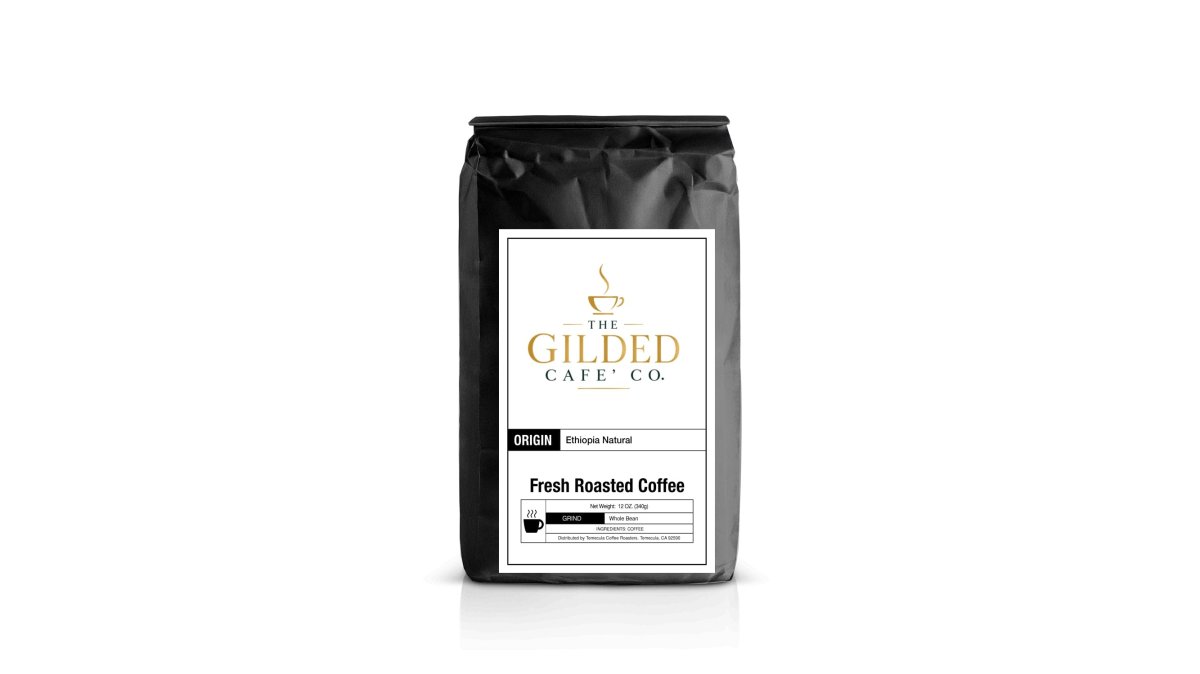
The Ethiopia Single Origin from The Gilded Cafe' Co. grows at 2,000-2,200 meters in Sidama, where high elevation and traditional farming practices create coffees with bright acidity and delicate floral character. Similarly, our Colombia Single Origin thrives at 1,500-2,100 meters in Tolima, developing a rounded body and fruit-forward sweetness that reflects both altitude and regional climate patterns.

Different regions produce predictable flavor signatures. East African coffees typically display fruity and floral notes with vibrant acidity. Central American coffees often show balanced body with chocolate and nutty undertones. Indonesian coffees tend toward earthy, spiced characteristics with deeper body. These aren't coincidences, they're the direct result of each region's unique combination of environmental factors.
Soil composition plays a critical role in flavor development. Volcanic soils, common in regions like Bali and Sumatra, contribute mineral-forward notes and distinctive earthiness. The Bali Blue Single Origin, grown in the volcanic Kintamani Highlands, displays this terroir influence through its rich, layered flavor profile with notes of baker's chocolate and molasses, brightened by lively orange peel.
Coffee Processing Methods and Flavor Development
How coffee is processed after harvest fundamentally shapes its final flavor profile. The three primary processing methods, washed, natural, and honey process, each create distinct sensory characteristics.
Washed (or wet) processing involves removing the fruit before drying the bean. This method produces cleaner, brighter flavors because it eliminates prolonged contact between the bean and fermented fruit. Our Colombia Single Origin uses fully washed processing, resulting in the clean, well-balanced cup with clear notes of dark chocolate, mango, and peach.

Natural processing leaves the entire cherry intact while drying, allowing the bean to absorb flavors from the fruit during fermentation. This creates fuller body, increased sweetness, and fruity or floral complexity. The Ethiopia Single Origin employs natural, sun-dried processing, which contributes to its delicate floral character and vibrant berry sweetness.
Honey process (also called pulped natural) removes the skin but leaves some fruit mucilage on the bean during drying. This hybrid approach produces balanced results, body and sweetness from the fruit contact, but cleaner flavor clarity than full natural processing.
The Sumatra Single Origin uses the traditional wet-hulled Giling Basah method, a regional variation where the bean is hulled while still partially moist. This creates the coffee's distinctive smooth character with notes of black tea, warm brown spice, and citrus. Understanding processing method helps explain why the same varietal grown in different regions can taste remarkably different.
| Processing Method | Flavor Profile | Body | Acidity | Best For |
|---|---|---|---|---|
| Washed | Clean, bright, origin-forward | Medium | Vibrant | Clarity and complexity |
| Natural | Fruity, sweet, floral | Full | Moderate | Maximum sweetness |
| Honey | Balanced, nuanced | Medium-Full | Medium | Versatility |
| Wet-Hulled | Earthy, spiced, smooth | Full | Low | Distinctive character |
Understanding the Coffee Flavor Wheel Explained
The coffee flavor wheel is a visual tool that maps the sensory landscape of coffee tasting. At its center are broad categories, fruity, floral, nutty, chocolatey, earthy, that branch outward into increasingly specific descriptors. Understanding this framework transforms coffee tasting from guessing to recognition.
The wheel helps you identify what you're actually tasting rather than searching for vague descriptions. When you notice something fruity in your cup, the wheel guides you toward specificity: is it berry, citrus, stone fruit, or tropical fruit? This precision matters because it trains your palate to recognize subtle differences between origins and processing methods.
Floral notes appear frequently in coffees with bright acidity and natural processing. The Ethiopia Single Origin displays these characteristics clearly, the delicate floral quality comes from the combination of high altitude, natural processing, and the region's coffee heritage. Fruity descriptors might indicate berry, stone fruit, or citrus depending on the specific origin and roast level.
Earthy and spiced notes typically emerge in coffees with fuller body and lower acidity, particularly those from Indonesia. The Sumatra Single Origin's notes of black tea and warm brown spice reflect this profile. Chocolatey and nutty notes often appear in medium to dark roasts where caramelization during roasting develops these secondary flavors.
The flavor wheel isn't definitive, it's a reference guide. Your personal perception matters more than matching a specific descriptor. What matters is developing your ability to recognize patterns and differences across single origin coffees.
How to Taste Coffee Notes Like a Professional
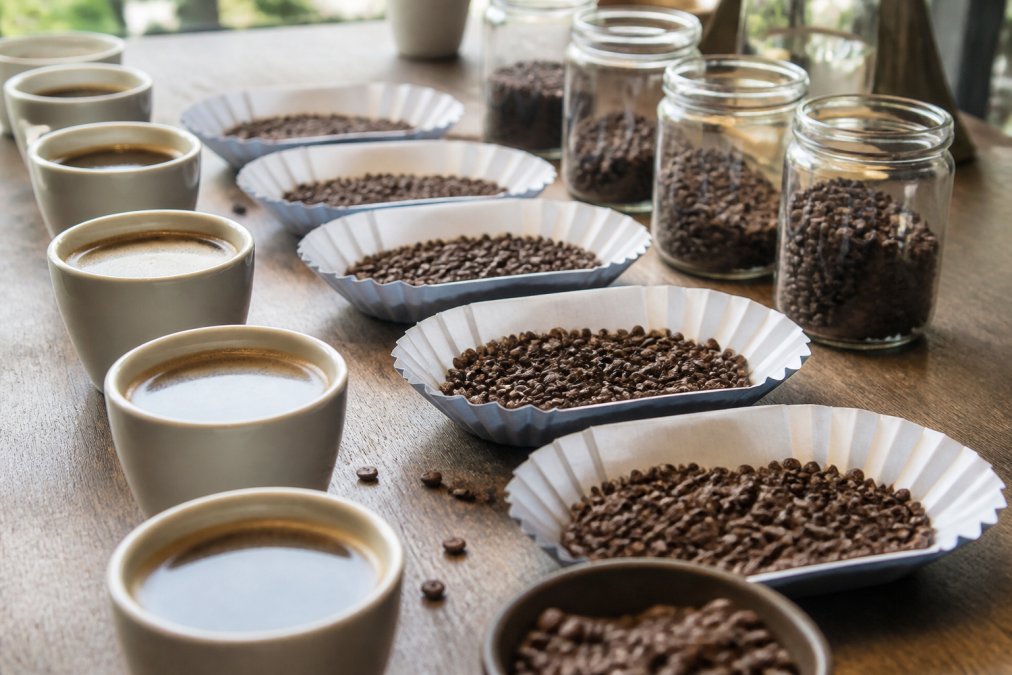
Professional coffee tasting, called cupping, follows a structured approach that trains your sensory perception. While you don't need formal training to enjoy coffee, understanding the cupping method enhances your ability to recognize and appreciate single origin flavor profiles explained.
Begin by evaluating the aroma before tasting. Smell the dry grounds, then the wet grounds after adding hot water. Aroma provides your first sensory impression and primes your palate for what's to come. Notice whether you detect fruity, floral, earthy, or spiced characteristics at this stage.
Next, slurp the coffee actively. Draw the liquid into your mouth with force, aerating it across your palate. This technique distributes the coffee across all your taste receptors simultaneously. Pay attention to the initial flavor, the mid-palate development, and the finish, how the flavor evolves and what lingers after you swallow.
Evaluate mouthfeel, which describes the coffee's texture. Is it light and tea-like, medium and balanced, or full and syrupy? Mouthfeel connects directly to body, which is influenced by processing method, altitude, and roast level.
Roast Level's Impact on Single Origin Flavor Expression
Roast level fundamentally changes how single origin coffee flavor profiles explained manifest in your cup. Light, medium, and dark roasts each emphasize different aspects of the coffee's origin characteristics and processing heritage.
Comparing Single Origin Coffees by Region and Character
Different coffee-growing regions produce recognizable flavor signatures shaped by climate, altitude, and processing traditions. Comparing single origin coffees across regions reveals how geography creates flavor diversity.
| Region | Altitude Range | Acidity Level | Body | Typical Notes | Processing |
|---|---|---|---|---|---|
| Ethiopia | 1,800-2,200m | Bright | Delicate | Floral, berry, citrus | Natural |
| Colombia | 1,500-2,100m | Medium | Rounded | Chocolate, fruit, caramel | Washed |
| Indonesia | 1,000-1,600m | Low | Full | Earthy, spice, molasses | Wet-hulled |
Specialty Coffee Association cupping standards
USDA coffee grading and quality standards
International Coffee Organization terroir and flavor research
Frequently Asked Questions
What defines a single origin coffee, and how does it differ from blends?
Single origin coffee comes from one specific country, region, or farm, allowing you to taste the distinct characteristics of that location's terroir, altitude, and processing method. Blends combine beans from multiple origins to create a balanced, consistent flavor profile. Single origin coffees highlight unique regional qualities, Ethiopian coffees often show floral and fruity notes, while Colombian beans typically deliver chocolate and caramel sweetness. Choosing single origin lets you explore how geography directly influences what's in your cup.
How does the coffee processing method change flavor profiles in single origin beans?
Processing method dramatically shapes flavor development. Washed coffees (like our Colombia Single Origin) produce cleaner, brighter acidity and highlight the bean's origin characteristics. Natural or sun-dried processes (such as Ethiopian coffees) create fruitier, more complex profiles with fuller body. Wet-hulled methods used in Indonesia add earthy, spiced notes and smooth mouthfeel. The same bean processed differently can taste entirely different, so understanding whether your coffee was washed, natural, or wet-hulled helps explain the flavors you experience.
What are the most common flavor notes in African versus Latin American coffees?
African coffees, particularly Ethiopian single origins, typically showcase bright acidity with floral, fruity, and berry-forward notes, think jasmine, blueberry, and citrus. Latin American coffees like Colombian beans lean toward chocolate, caramel, and stone fruit flavors with balanced acidity and fuller body. These regional patterns reflect differences in altitude, climate, and traditional processing methods. However, individual farms and microclimates create variation within each region, so exploring single origins from both continents reveals the spectrum of possibilities.
How can I develop my palate to identify coffee flavor notes accurately?
Start by tasting side-by-side comparisons of different single origins, this trains your palate to recognize contrasts. Use a flavor wheel as reference while tasting, moving from broad categories (fruity, nutty, floral) to specific notes. Pay attention to aroma before sipping, as smell drives much of taste perception. Brew your coffee consistently using the same ratio and method so variables don't mask origin flavors. Tasting notes improve with repetition; try the same coffee multiple times across different brew methods to deepen your sensory memory and confidence.