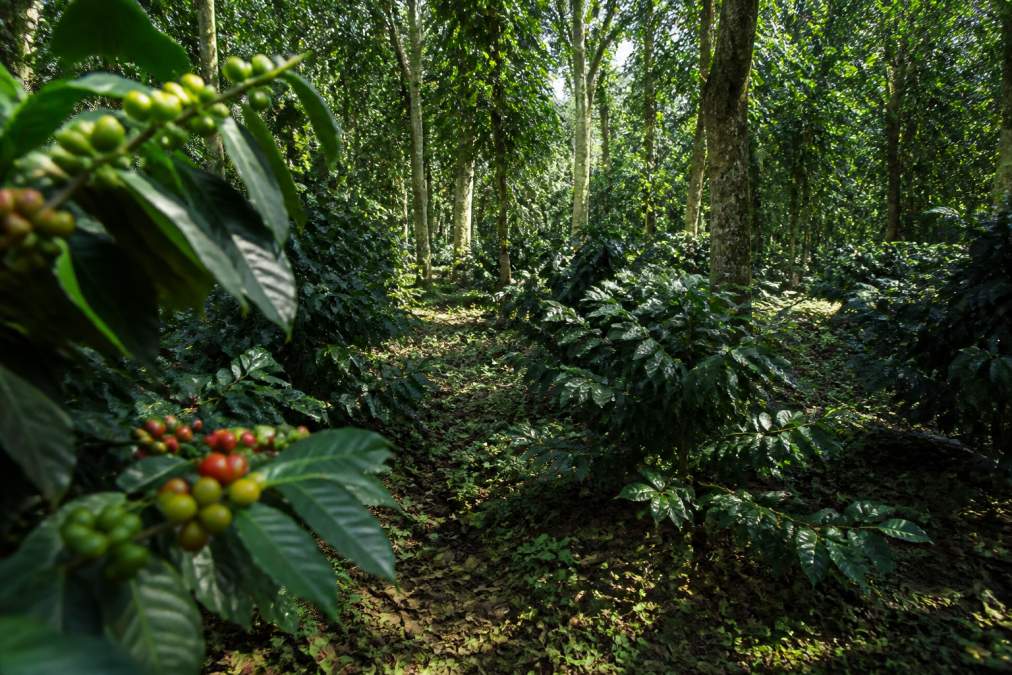
 comparison
Is Shade-Grown Coffee Worth the Extra Cost?
Table of Contents
- The Bottom Line: When Shade-Grown Coffee Earns Its Price
- Shade-Grown vs Sun-Grown Coffee: What Actually Changes in the Cup
- The Benefits of Bird-Friendly Coffee, From Canopy to Cup
- How to Identify Ethically Sourced Coffee Before You Check Out
- What Shade-Grown Coffee Really Costs (and What You Get for It)
- Brewing Adjustments for Shade-Grown Beans
- Shade-Grown Coffees Worth the Splurge
- Conclusion: Is Shade-Grown Coffee Worth the Extra Cost?
- Frequently Asked Questions
Last Updated: September 14, 2026
The Bottom Line: When Shade-Grown Coffee Earns Its Price
Is shade-grown coffee worth the extra cost? For most home brewers, yes, if you value flavor complexity and verified environmental impact over the lowest possible price per bag. The premium typically runs a few dollars more per pound than commodity coffee, and that gap buys slower-ripened beans, denser structure, and a farming system that supports migratory birds and healthier soil. This guide from The Gilded Cafe' Co. breaks down exactly what changes in the cup, how to spot authentic shade-grown coffee before you check out, and when the splurge makes sense for your routine.
Shade grown coffee is coffee cultivated beneath a canopy of taller trees rather than in open, sun-exposed fields. That single farming decision ripples through flavor, ecology, and price.
The catch most buyers never hear: the label alone proves nothing. You need to know what to look for on the bag, and that is where this article saves you money.
Shade-Grown vs Sun-Grown Coffee: What Actually Changes in the Cup
The clearest difference between shade-grown and sun-grown coffee shows up in bean density and flavor complexity. Shade slows the ripening process, giving coffee cherries more time to develop sugars and aromatic compounds. Those denser beans typically translate to a sweeter, more layered cup with brighter acidity.
Sun-grown coffee, by contrast, often comes from higher-yield monoculture farms using sun-tolerant varieties. It can taste perfectly good, but the flavor profile tends toward simpler, flatter notes. Think of it as the difference between a tomato ripened on the vine and one forced to size in a greenhouse.
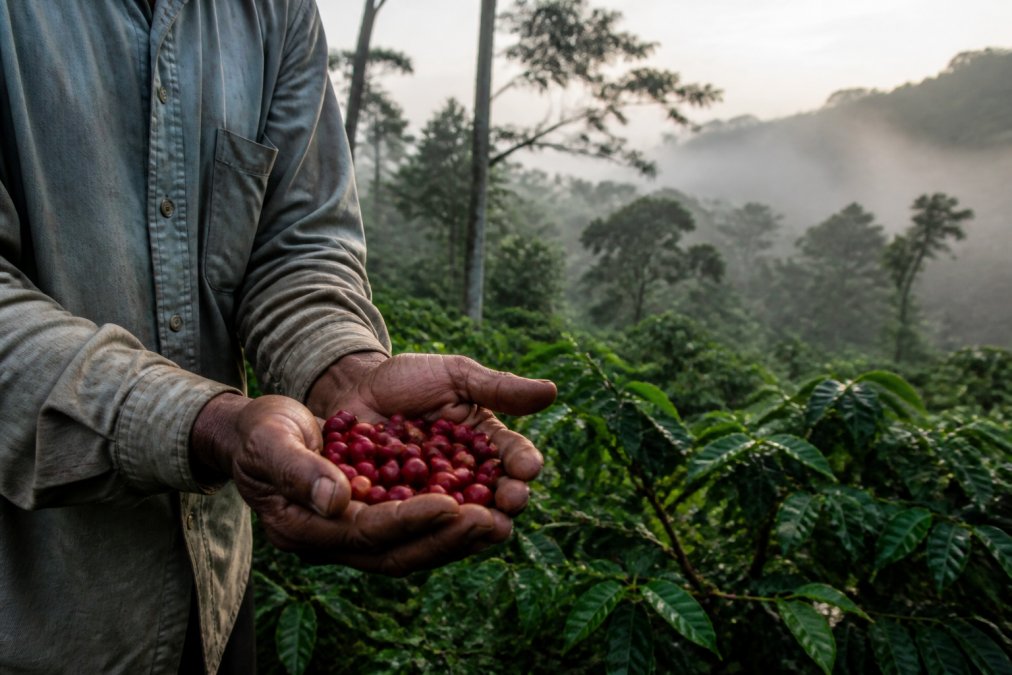
A few practical differences matter most:
- Bean density: Shade-grown beans are denser, which affects how they roast and grind
- Flavor complexity: More time on the branch means more developed sugars and aromatics
- Acidity: Often brighter and more structured in shade-grown lots
- Yield: Sun-grown farms produce more per acre, which is why they dominate commodity coffee
Here is the honest trade-off. A well-farmed sun-grown single origin can beat a poorly farmed shade-grown one every time. The farming method matters, but so does the producer.

The Benefits of Bird-Friendly Coffee, From Canopy to Cup
The benefits of bird-friendly coffee extend well beyond the cup. When coffee grows under a diverse canopy, that layered habitat supports migratory birds, pollinators, and the broader ecosystem that keeps a farm healthy.
A shade canopy does several jobs at once. It provides habitat for birds that would otherwise lose their stopover grounds, it reduces soil erosion on steep hillsides, and it builds organic matter that helps the soil hold water and carbon. Many growers also report that natural pest control improves, because birds and beneficial insects keep pest populations in check without heavy chemical input.
This is why the bird-friendly certification exists. It verifies that a farm maintains specific canopy cover and habitat standards, giving buyers a way to confirm the ecological claims on a bag rather than taking them on faith.
How to Identify Ethically Sourced Coffee Before You Check Out
Identifying ethically sourced coffee comes down to reading the bag carefully and knowing which certifications actually verify a claim. A logo alone is not proof. You want certifications that require third-party inspection of farming practices.
Start with the certifications that carry real verification weight:
- Bird Friendly: Requires documented canopy cover and habitat standards, audited on the farm
- Fairtrade: Verifies minimum prices and fair terms for smallholder farmers
- USDA Organic: Confirms organic growing practices, verified through inspection
Then check the details that honest roasters include. Origin, altitude, varietal, and processing method should all be listed. A roaster who names the region and the farm is telling you they know their supply chain. Vague labels like "mountain grown" or "100% premium" mean very little.
For a deeper reference on what these certifications require, the Smithsonian's Bird Friendly Coffee program standards explains the canopy and habitat criteria farms must meet.
What Shade-Grown Coffee Really Costs (and What You Get for It)
Shade grown coffee usually costs more per pound because the farming system produces less coffee per acre and requires more labor and management. That is the honest reason for the premium, and it is not branding.
The typical retail gap runs roughly $2 to $6 more per pound than commodity or conventional supermarket coffee, though the spread widens for certified Bird Friendly lots and narrows for direct-trade roasters who skip distributor markups. Here is how the value breaks down for a typical home brewer:
| What You Pay For | What It Delivers | Why It Costs More |
|---|---|---|
| Slower ripening | Denser beans, sweeter cup | Lower yield per acre |
| Canopy management | Bird habitat, healthy soil | More labor and time |
| Certification audits | Verified ethical sourcing | Inspection and compliance fees |
| Small-batch roasting | Fresher, more consistent flavor | Less economy of scale |
The Per-Cup Math Most Buyers Never Run
The premium sounds larger on the shelf than it feels in the mug. A standard 12-ounce bag of coffee brews roughly 24 to 30 cups at a typical 1:16 coffee-to-water ratio, depending on your dose. If a shade-grown bag costs $4 more than the commodity alternative, that premium works out to roughly 13 to 17 cents per cup. Compare that to the $4 to $6 most cafés charge for a single drip coffee, and the upgrade cost is a fraction of one café drink per week for a daily brewer.
That framing matters because the "extra cost" question is usually asked at the bag level, where a $4 gap feels significant, rather than at the cup level, where it disappears into rounding.
Long-Term ROI: What You Are Actually Buying
The long-term return for the consumer is real but indirect, and it comes in three forms:
- Cup quality: Denser beans with more developed sugars tend to produce a more layered cup, which means less need to mask flaws with milk, sugar, or flavored syrups.
- Supply stability: Shade-grown farms are more resilient to heat stress and disease pressure than sun monocultures, which matters for keeping quality coffee available as growing regions face climate volatility.
- Farmer viability: When smallholders earn a stable premium, they stay in coffee instead of converting land to other crops, which protects the specialty supply chain you rely on.
At The Gilded Cafe' Co., our single-origin coffees are priced at $23.99 per bag and roasted in small batches, so the freshness you pay for actually reaches your door.
Brewing Adjustments for Shade-Grown Beans
Shade-grown beans reward a small brewing adjustment because their higher density changes how they extract. Denser beans often need a slightly finer grind or a touch more contact time to draw out their full flavor.
Why Density Changes the Brew
Beans grown under canopy ripen more slowly, which produces tighter cell structure and higher density. Dense beans resist water penetration more than porous commodity beans, so the same grind setting and contact time that worked for a supermarket bag will under-extract a shade-grown lot. Under-extraction reads as thin body, sharp sourness, and muted sweetness, which is exactly the opposite of the complexity you paid for.
The fix is not more coffee. It is more surface area and slightly more contact time.
Adjustments Worth Trying
- Grind finer by one step if your cup tastes thin or underdeveloped
- Extend contact time slightly for pour over and French press
- Use water between 195-205°F to protect delicate aromatics
- Grind immediately before brewing to preserve the bright, layered notes
- Increase dose slightly (about 1 gram per 6 ounces of water) if the cup still tastes hollow after a grind adjustment
Dialing In by Brew Method
Different methods respond differently to dense beans:
- Pour over: Start one notch finer than your usual setting and add 15 to 20 seconds to the total brew time. If the drawdown stalls past four minutes, back off half a notch.
- French press: Add 30 seconds to the steep and use a slightly finer grind than you would for a commodity bean. Dense beans tolerate the finer grind without turning muddy.
- Drip: Drop the grind one setting finer and taste. If the cup is still flat, the issue is usually water temperature rather than grind.
- Espresso: Expect to grind finer and possibly adjust dose down slightly. Dense beans can choke a basket set for porous commodity beans.
What to Taste For
When the brew is dialed in correctly, shade-grown coffee should show the sweetness and layered acidity that slower ripening develops. If you taste sourness or a hollow mid-palate, you are under-extracting. If you taste ash or harsh bitterness, you went too fine. The window is narrower than with commodity beans, but the payoff is a cup that shows off the complexity you paid for. Brew it like a commodity bean and you may miss it entirely.
Shade-Grown Coffees Worth the Splurge
The best way to judge whether shade-grown coffee earns its price is to taste coffees grown under canopy and compare them side by side. Our single-origin lineup is a good place to start, because each coffee names its region, altitude, and processing method.
Here are a few to consider:
- Peru Single Origin ($23.99): Certified Organic and Fairtrade, grown at 1,600-1,800 meters with bright lemon notes and a chocolate finish
- Colombia Single Origin ($23.99): Organic Fairtrade coffee from Tolima, with dark chocolate, mango, and peach notes
- Costa Rica Single Origin ($23.99): A medium-light roast with brown spice, brown sugar, and stone fruit
- Bali Blue Single Origin ($23.99): A rich medium-dark roast with baker's chocolate, orange peel, and molasses
Each is roasted in small batches, so you are tasting the coffee near its peak rather than months after roasting.


Conclusion: Is Shade-Grown Coffee Worth the Extra Cost?
The honest answer is yes, for most people who drink coffee regularly and care about how it tastes and how it is grown. You pay a modest premium for denser, more flavorful beans and for a farming system that supports birds, soil, and the farmers who keep quality coffee coming.
If you want to taste the difference for yourself, start with a single-origin coffee grown at high altitude and roasted fresh. The Gilded Cafe' Co. roasts in small batches and ships directly to your door, so you get exceptional flavor and rich aroma without the guesswork. Explore our Peru Single Origin or Colombia Single Origin and taste what shade-grown coffee actually delivers.
Frequently Asked Questions
Why does shade-grown coffee command a higher price point?
Shade-grown farms produce smaller harvests per acre than sun-grown monoculture operations, so growers spread fixed costs across fewer pounds of coffee. Certification fees for programs like Bird Friendly and Fairtrade, plus slower cherry ripening that requires more selective harvesting, add to production costs. That premium pays for canopy preservation, habitat protection, and often higher wages for farm workers. Whether it is worth paying depends on how much you value those outcomes alongside flavor.
Is there a certification to look for when buying shade-grown coffee?
Yes. The Smithsonian Bird Friendly certification, administered by the Smithsonian Migratory Bird Center, requires at least 40 percent shade cover and a minimum number of native tree species. Fairtrade certification verifies fair pricing and labor standards, while USDA Organic confirms no synthetic pesticides. Look for these seals on the bag. A roaster that lists the farm, region, and altitude is also showing transparency, which matters as much as any logo.
Does shade-grown coffee actually taste better than mass-produced coffee?
Shade trees slow the ripening process, giving coffee cherries more time to develop sugars. The result is denser beans with more flavor complexity. In the cup, that often translates to brighter acidity, layered fruit or floral notes, and a cleaner finish compared to mass-produced coffee grown for volume. Roasting still matters enormously, so a poorly roasted shade-grown bean will not outperform a well-roasted conventional one. Freshness and roast quality remain the biggest flavor variables.
How does shade-grown farming impact coffee bean maturation?
Coffee grown under a canopy matures more slowly because shade lowers temperatures and filters sunlight. That extended ripening window lets cherries accumulate more natural sugars and develop denser seeds. Denser beans hold up better during roasting and extract more evenly, which helps explain the flavor complexity buyers notice. Sun-tolerant varieties grown in open fields ripen faster and yield more per plant, but the trade-off is a flatter, less nuanced cup profile.
What are the benefits of bird-friendly coffee for the environment?
Bird Friendly certification requires a diverse canopy of native shade trees, which supports migratory birds that winter in coffee-growing regions. Those trees also prevent soil erosion, cycle nutrients, and provide natural pest control, reducing the need for chemical inputs. The root systems store carbon, and the layered canopy creates habitat for insects, amphibians, and small mammals. Choosing certified bird-friendly coffee is one of the more direct ways a daily purchase supports biodiversity.
Deciding whether shade-grown coffee is worth the extra cost comes down to what you value in a daily cup. At The Gilded Cafe' Co., we source exceptional beans from renowned growing regions and roast them in small batches to preserve maximum flavor and aroma, with convenient direct-to-door delivery. Get started with The Gilded Cafe' Co. and turn your morning brew into a moment of luxury.